

FIRST RESPONDER & TRAUMA THERAPY
Trauma Therapy for First Responders
Evidence-based psychological therapy for police officers, firefighters, paramedics, EMS, and other first responders experiencing the effects of critical incidents or occupational trauma.
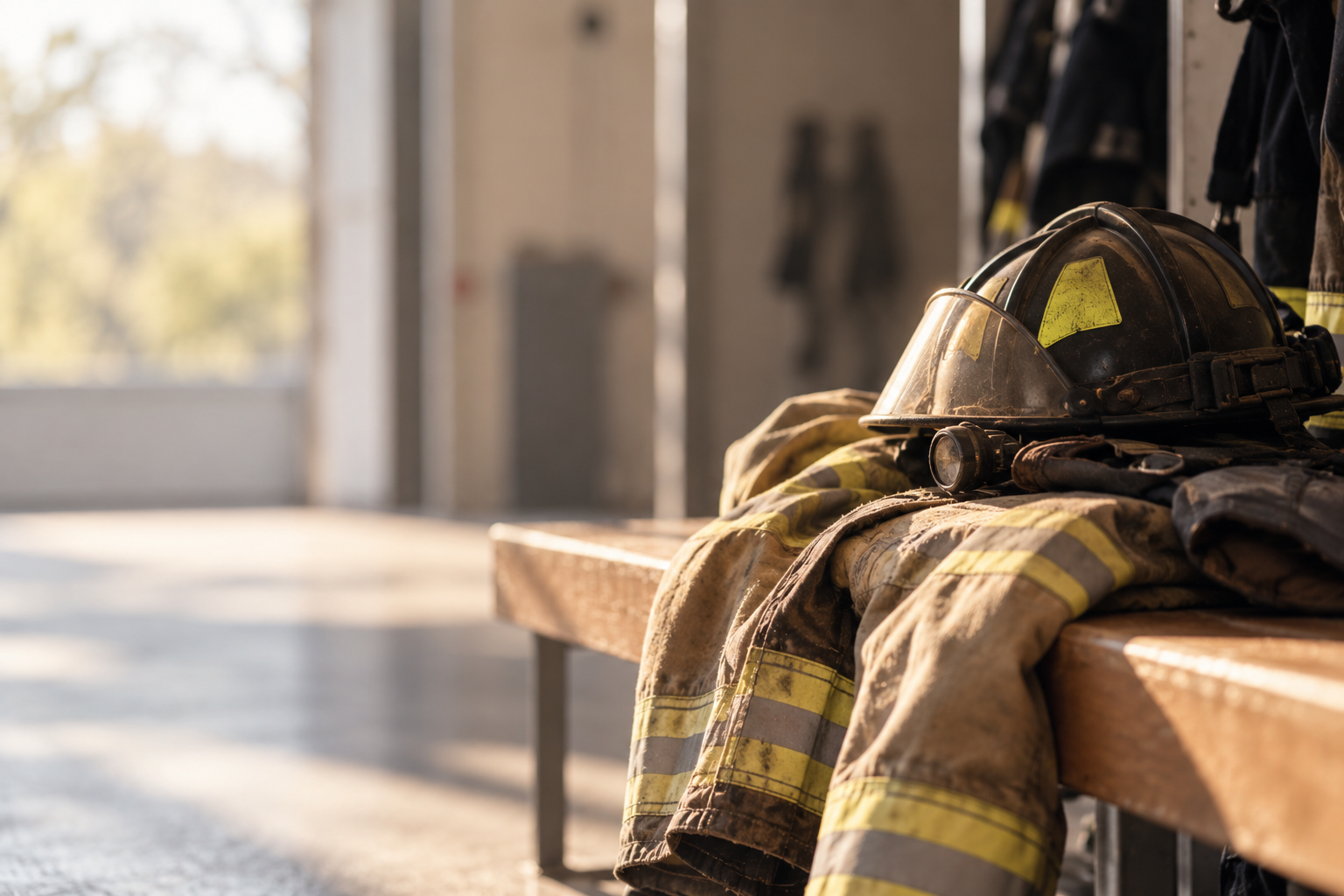
First Responder & Critical-Incident Trauma
First responders are regularly exposed to situations that most people rarely encounter. Police officers, firefighters, paramedics, EMS professionals, and other emergency personnel may experience critical incidents, serious injuries, fatalities, violence, or repeated exposure to traumatic events through their work.
Sometimes the effects of these experiences show up immediately. Other times, reactions develop gradually or become noticeable after a particularly difficult call or incident. You may find yourself replaying what happened, feeling constantly on alert, avoiding reminders, having difficulty sleeping, feeling more irritable or disconnected, or noticing that you simply don't feel like yourself.
I provide evidence-based psychological therapy for first responders experiencing the effects of critical incidents, occupational trauma, and PTSD. Therapy is tailored to your experiences and goals and may include EMDR and other trauma-focused approaches.
Trauma Can Happen Outside of Work, Too
You don’t have to be a first responder to be affected by a traumatic event. I also work with adults who have experienced trauma outside of their work. This can include childhood trauma, sexual assault, interpersonal violence, serious car accidents, shootings, and other distressing or traumatic experiences.
Following trauma, you may find yourself replaying difficult experiences, avoiding reminders, feeling constantly on edge, having difficulty sleeping, or experiencing strong emotional or physical reactions that seem difficult to control.
Therapy can help you process traumatic experiences, reduce the impact they are having on your everyday life, and begin to feel safer and more like yourself again.
Common Responses Following Trauma
-
Unwanted memories, images, nightmares, or feeling as though the event is happening again.
-
Feeling constantly watchful, easily startled, tense, or unable to fully relax.
-
Avoiding places, situations, conversations, people, or activities that remind you of what happened.
-
Difficulty falling or staying asleep, restless sleep, or nightmares.
-
Feeling more irritable, angry, anxious, numb, disconnected, or unlike yourself.
-
Finding that the experience is affecting work, relationships, concentration, or everyday activities.
How Trauma Therapy Can Help

Trauma therapy focuses on helping your mind and body process what happened so the experience has less impact on your everyday life. Treatment isn’t about forgetting what happened or forcing you to talk about everything before you’re ready.
We’ll work together to understand how the experience is affecting you, identify the symptoms or patterns that are keeping you stuck, and develop a treatment plan based on your needs and goals.
Depending on your circumstances, treatment may include EMDR and other evidence-based trauma-focused approaches. The goal is to help reduce trauma-related symptoms, make difficult memories feel less overwhelming, and help you regain a greater sense of safety and control.
EMDR for Trauma & PTSD
Eye Movement Desensitization and Reprocessing (EMDR) is an evidence-based psychological therapy commonly used in the treatment of trauma and PTSD. EMDR can help the brain process distressing experiences so that memories become less emotionally overwhelming and have less influence on your present-day life.
First Responders & Healthcare Professionals I Work With
I work with first responders, healthcare professionals, and other frontline professionals who may be exposed to traumatic or critical incidents through their work. You do not need to wait until symptoms become severe or have a formal PTSD diagnosis to seek support.
Firefighters
Difficult calls, fatalities, serious injuries, fires, rescues, and cumulative exposure to traumatic events.
Nurses & Physicians
Traumatic patient events, unexpected deaths, medical emergencies, workplace violence, and other distressing experiences encountered through healthcare work.
Paramedics & EMS
Medical emergencies, fatalities, traumatic injuries, difficult calls, and repeated exposure to distressing events.
Other Healthcare Professionals
Support for healthcare professionals affected by critical incidents, traumatic patient experiences, or occupational exposure to trauma.
Police & Law Enforcement
Critical incidents, violence, shootings, serious injuries, fatalities, and other occupational exposures.
Other Frontline Professionals
Support for other professionals exposed to traumatic events or critical incidents through their work.
What to Expect From Trauma Therapy

Starting therapy after a traumatic experience can feel intimidating, especially if you’re used to being the person who handles difficult situations or supports other people.
We’ll start by talking about what has been happening, how it’s affecting you, and what you would like to be different. You won’t be expected to share every detail of a traumatic experience right away, and treatment will be tailored to your individual needs, goals, and circumstances.
My approach is practical, collaborative, and down-to-earth. I’ll help you understand what may be happening following a traumatic experience, explain the treatment approaches we’re using and why, and work with you toward meaningful changes both inside and outside the therapy room.
Therapy doesn’t have to feel overly formal or clinical. There can still be room to be yourself, ask questions, and even laugh along the way.
Frequently Asked Questions
-
No. You do not need a PTSD diagnosis to seek therapy after a traumatic or critical incident. Some people come to therapy because they have noticed changes in sleep, mood, anxiety, concentration, relationships, or how they feel at work following a difficult experience.
-
Yes. I work with first responders, including police and law enforcement, firefighters, paramedics, and EMS professionals who have been affected by critical incidents or occupational trauma..
-
Yes. I also work with nurses, physicians, and other healthcare professionals who have been affected by traumatic patient events, unexpected deaths, medical emergencies, workplace violence, or other distressing experiences encountered through their work.
-
No. Trauma therapy does not mean you have to immediately describe every detail of a traumatic experience. We’ll work at a pace that makes sense for you and discuss what is relevant to your treatment and goals.
-
Yes. EMDR is one of the evidence-based approaches I may use when working with trauma and PTSD. Whether EMDR is appropriate will depend on your individual experiences, symptoms, and treatment goals.
-
Yes. I offer in-person therapy in Calgary and virtual psychological therapy for adults across Alberta.
-
Yes. Although I have a particular interest in working with first responders, healthcare professionals, and people affected by critical incidents and occupational trauma, I also work with adults who have experienced other forms of trauma. This can include childhood trauma, sexual assault, interpersonal violence, serious accidents, and other distressing or traumatic experiences.
Still Have Questions? Browse The FAQs Or Reach Out Anytime.
Looking for Trauma Therapy in Calgary?
If you’re a first responder, healthcare professional, or adult looking for support following trauma, you’re welcome to reach out. I offer evidence-based trauma therapy in Calgary and virtual appointments across Alberta.